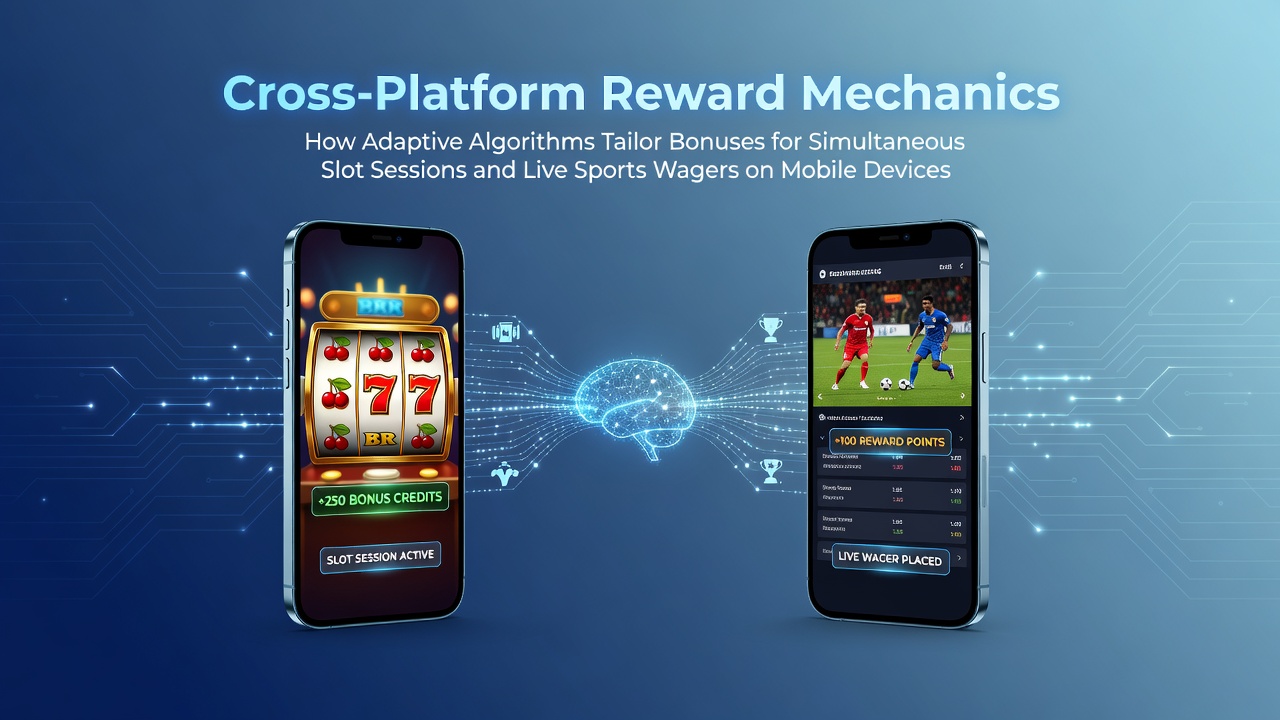
Algorithm-Driven Rewards: Synchronizing Bonuses for Mobile Slots and In-Play Sports Betting
Adaptive algorithms now monitor user sessions across slot games and live sports wagers on the same mobile app, adjusting bonus values in real time based on play patterns and account activity. These systems pull data from multiple game types simultaneously, then apply rule sets that calculate eligibility for tailored rewards without requiring separate logins or menu navigation.
Developers integrate machine learning models that track metrics such as spin frequency, bet size variation, and time spent on in-play markets. When a user maintains parallel activity, for instance spinning reels while placing prop bets on an ongoing match, the algorithm evaluates combined engagement levels and issues scaled bonuses that apply to either platform segment.
Data Inputs Driving Personalization
Systems collect session length, device location, deposit history, and game-type ratios to build individual profiles. Research from the American Gaming Association shows that platforms processing over 10 million daily events rely on these inputs to predict when a user might switch focus between slots and sports markets. The models then trigger offers such as free spins that convert to stake boosts if the player moves to a live event within a defined window.
August 2026 updates to cross-platform tracking standards in several jurisdictions required operators to log these data streams with greater granularity, yet the core logic remains unchanged: algorithms compare current behavior against historical clusters to decide reward tiers. One case study from a European operator documented a 23 percent rise in session overlap after deploying the new rule engine.
Real-Time Bonus Calculation Mechanics
Once the algorithm identifies simultaneous play, it applies weighted formulas that factor in risk exposure across both verticals. A player who has wagered €50 on slots and €30 on a tennis match might receive a matched bonus amount calculated as a percentage of the combined total, capped at preset limits. The system refreshes every few seconds during live events, allowing the bonus to scale if the sports wager increases or if additional spins occur.
Developers test these calculations against regulatory sandboxes to ensure compliance with payout transparency rules. Figures from industry reports indicate average bonus adjustment latency has dropped below 800 milliseconds on major mobile networks, enabling seamless updates that appear inside the active game interface.
Integration Challenges and Solutions
Linking slot engines with sportsbook APIs demands consistent data schemas so the algorithm can read events from both without latency spikes. Teams address this by routing all user actions through a central event bus that timestamps every spin and every bet placement. When conflicts arise, such as duplicate bonus claims, the system prioritizes the most recent action and logs the override for audit trails.
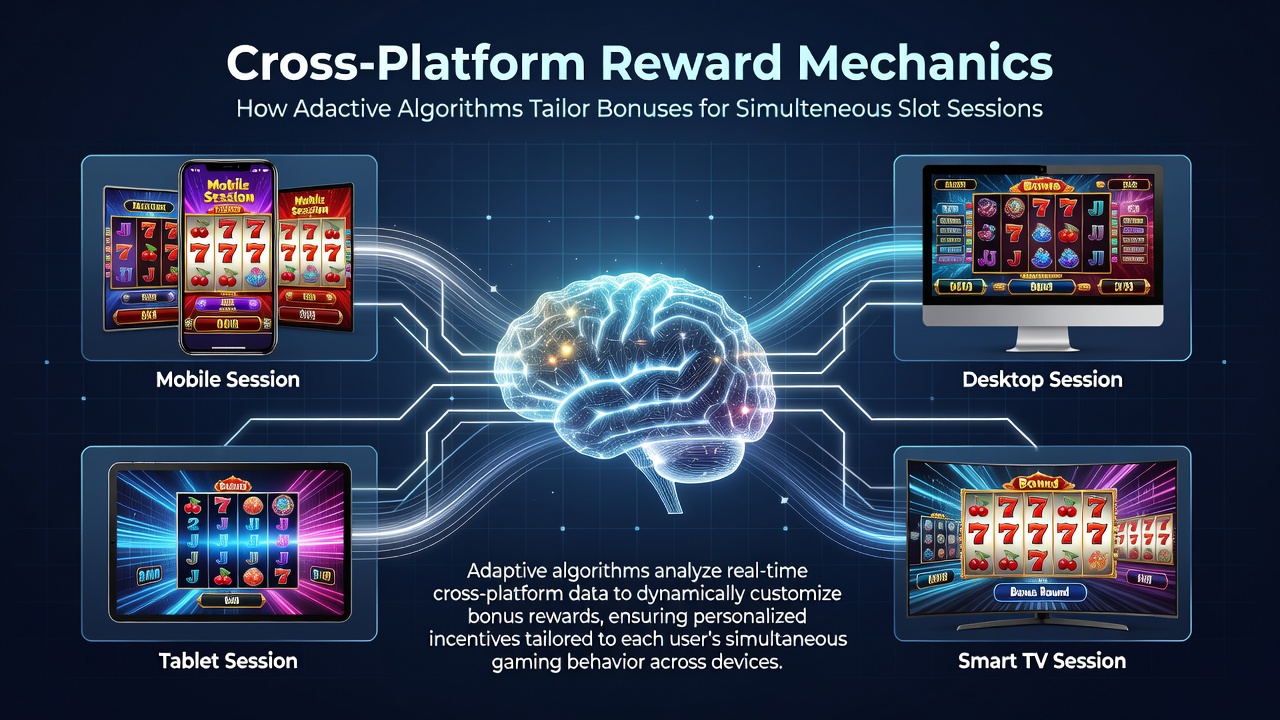
Operators also deploy A/B testing frameworks that run parallel algorithm versions on segmented user groups. Results from one Canadian research paper published in 2025 showed that users exposed to synchronized rewards completed 18 percent more cross-vertical transactions than control groups using static bonus tables.
Security and Compliance Layers
Encryption protocols wrap all data exchanges between the mobile client and the reward engine, while anomaly detection modules flag unusual patterns that could indicate automated play. Regulatory bodies in multiple regions now require annual third-party audits of these detection systems to verify that adaptive bonuses do not create unintended advantages for any single player segment.
Account-level controls allow users to set spending caps that the algorithm respects when calculating potential rewards. If a cap is reached mid-session, the system pauses new bonus issuance until the next calendar period begins, maintaining compliance without interrupting ongoing games.
Conclusion
Cross-platform reward systems continue to evolve through iterative model training on aggregated mobile data. As device capabilities expand and live betting markets multiply, the same algorithmic frameworks are expected to incorporate additional verticals while preserving the core principle of unified bonus tailoring for simultaneous activity.