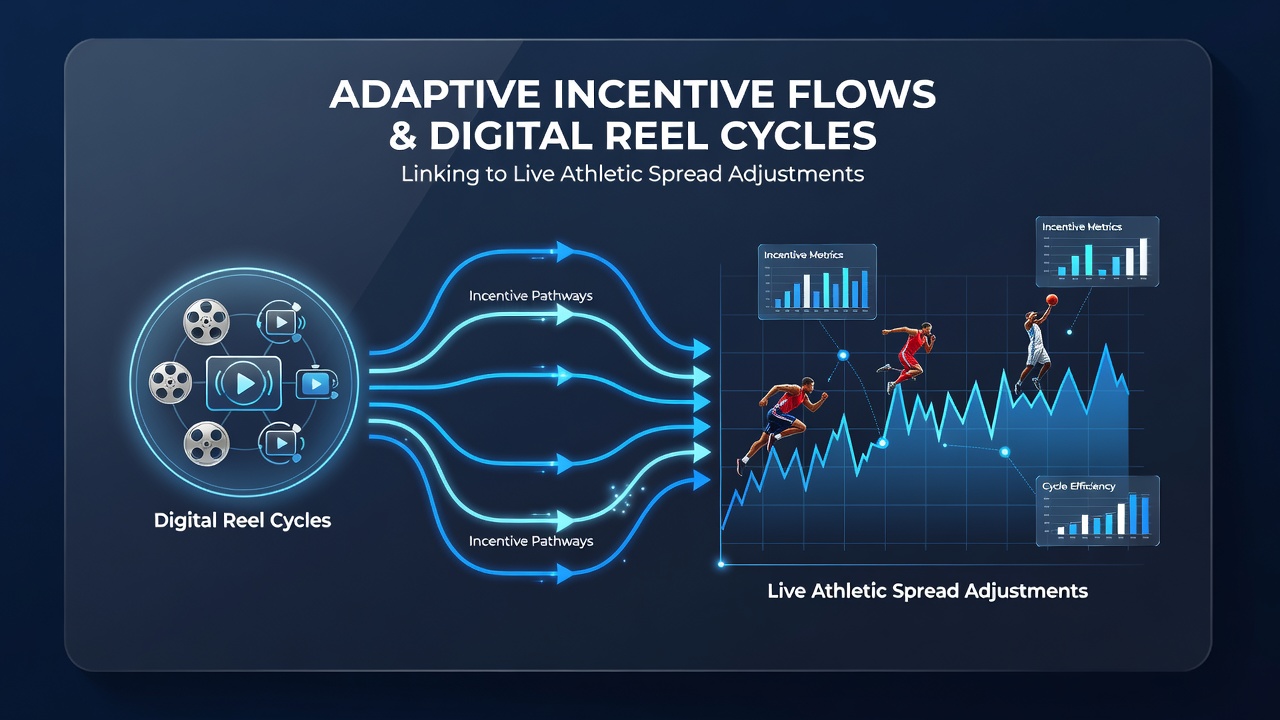
Charting Adaptive Incentive Flows Linking Digital Reel Cycles with Live Athletic Spread Adjustments
Operators in the iGaming sector track how player engagement in digital reel cycles generates data points that trigger adjustments in live athletic spread promotions, and these flows create interconnected reward structures across platforms.
Mapping Digital Reel Cycle Dynamics
Digital reel cycles operate through sequences of spins where payout frequencies and bonus triggers follow patterns documented in platform algorithms, while data analytics capture session lengths and wager volumes to identify peaks in activity. Research from industry reports shows that cycle peaks often coincide with increased player retention when incentives activate automatically, and operators adjust reel-based rewards such as free spins or multipliers based on these metrics. Observers note that reel cycles integrate with backend systems that log every rotation, allowing real-time shifts in bonus eligibility without manual intervention.
Live Athletic Spread Adjustments in Practice
Live athletic spread adjustments respond to incoming bets on events like football or basketball where point spreads fluctuate according to market volume, and platforms apply similar logic to promotional overlays that modify odds or add cashback on specific wagers. Figures from the American Gaming Association reveal that sportsbooks process millions of in-play adjustments daily, with incentive flows directing player funds toward spreads that align with current risk profiles. Those who monitor these systems find that adjustments occur in milliseconds after bet inflows change, maintaining balance between house edge and participant volume.
Connecting Incentive Flows Across Reel and Spread Environments
Adaptive incentive flows link reel cycles to athletic spreads when platforms detect patterns such as prolonged slot sessions followed by transfers to live betting interfaces, and algorithms then route tailored bonuses like deposit matches or risk-free spreads to retain activity. Data indicates these connections rely on unified player accounts that share behavioral signals, so a high-volume reel streak might prompt an immediate spread adjustment offer on an ongoing match. What's interesting here is how the linkage prevents siloed promotions, instead creating continuous engagement loops where rewards earned in one area feed directly into the other.
One platform implementation in North American markets demonstrates this process through API integrations that update both reel multipliers and spread cashback rates simultaneously, and studies from university research groups confirm such systems reduce player churn by aligning incentives with demonstrated preferences. Yet the process requires precise calibration because mismatched flows can lead to over-allocation of bonuses, prompting operators to refine thresholds based on aggregate transaction records rather than individual sessions alone.
August 2026 Platform Updates and Data Integration
August 2026 brought expanded use of predictive modeling in several jurisdictions outside the UK, where operators incorporated machine learning models to forecast reel cycle durations and preemptively adjust athletic spread incentives. Reports from the European Gaming and Betting Association highlight that these models process historical wager data to anticipate when players might shift from reels to live events, enabling proactive bonus routing that maintains session momentum. Evidence suggests the timing coincided with broader adoption of cross-product APIs, allowing seamless transitions without additional player input.
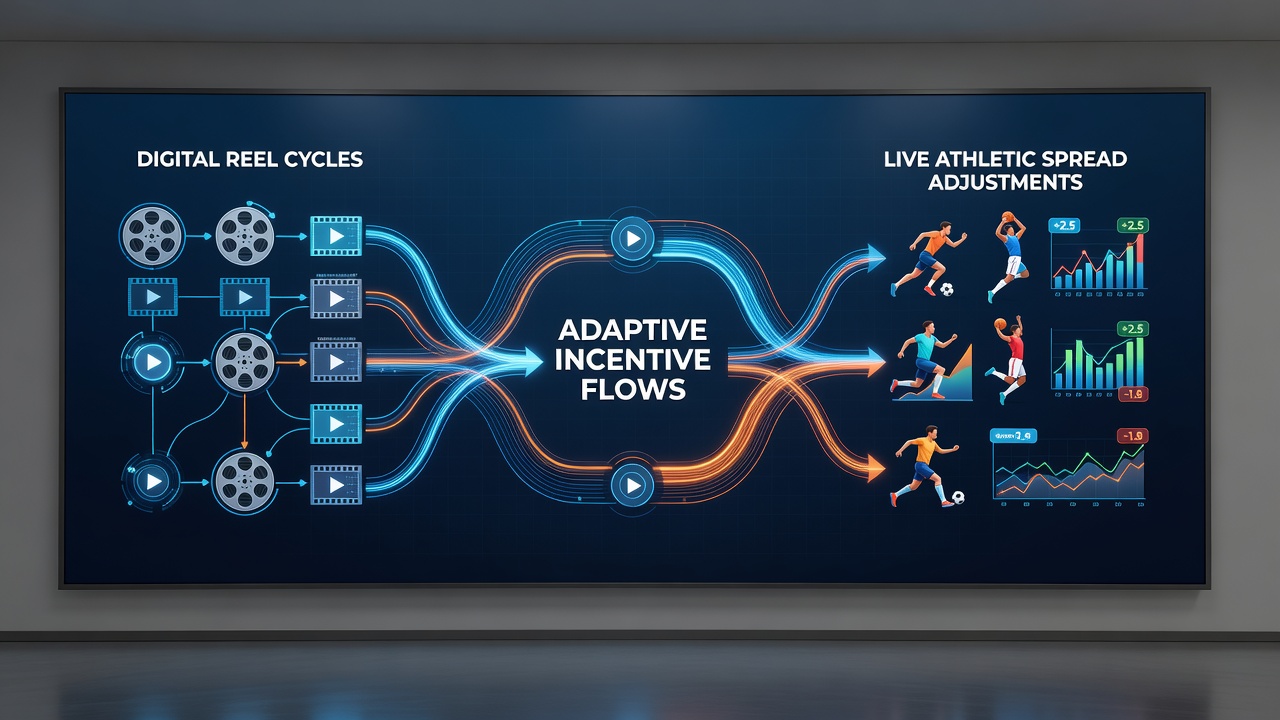
Additional integrations in that period included enhanced compliance layers that log every incentive transfer for audit purposes, and regulatory filings from Canadian provincial authorities document the scale of these updates across multi-jurisdiction operators. Those who've examined the implementations note that August 2026 changes emphasized transparency in how flows connect reel performance data with spread volatility measures, reducing discrepancies in reward distribution.
Case Examples from Operational Platforms
Take one North American operator that synchronized reel cycle bonuses with live tennis spread promotions during major tournaments, where data showed increased transfers from slots to sports after initial reel wins triggered spread-specific multipliers. Another example involves an Australian market platform that used aggregated cycle statistics to calibrate basketball spread adjustments, resulting in documented rises in combined session times according to internal metrics shared with industry associations. These cases illustrate how the flows operate without requiring separate marketing campaigns, instead emerging from automated responses to player movement patterns.
Conclusion
Adaptive incentive flows that connect digital reel cycles with live athletic spread adjustments continue to evolve through data-driven linkages, and ongoing platform refinements ensure these connections remain responsive to engagement signals across product types. Information from regulatory bodies and research institutions underscores the technical infrastructure supporting these processes while highlighting their role in unified gaming environments.